ZW32 vs ZW7 vs ZW8: Which Outdoor Vacuum Circuit Breaker Should You Choose? (2026 Guide)
News 2026-04-19
Introduction
Outdoor vacuum circuit breakers (VCBs) are essential components in medium-voltage (12kV–24kV) power distribution systems, playing a critical role in protecting overhead power lines, rural electrification projects, and industrial power grids. As a key part of power infrastructure, choosing the right outdoor VCB directly impacts the reliability, safety, and cost-effectiveness of your power distribution network—especially for international buyers and project managers looking for durable, compliant, and cost-efficient solutions.
Among the most widely used outdoor pole-mounted VCB models in the global market are ZW32, ZW7, and ZW8. While they share the same core function of interrupting fault currents and isolating power lines, each model is engineered to meet distinct application scenarios, performance standards, and budget constraints. For外贸 buyers (importers, distributors, and project contractors), understanding the differences between these three models is crucial to avoiding costly mistakes, ensuring project compliance, and maximizing return on investment.
Choosing the wrong model can lead to unnecessary maintenance costs, premature failure, or insufficient protection for your power system. On the other hand, selecting the right ZW series breaker ensures long-term reliability, minimal downtime, and optimal performance in harsh outdoor conditions—from extreme temperatures to high humidity and dusty environments. In this 2026 guide, we provide a detailed, SEO-optimized comparison of ZW32, ZW7, and ZW8, helping you make an informed decision for your next power project.
Whether you’re sourcing for a rural electrification project in Africa, an industrial facility in Europe, or a utility grid upgrade in Asia, this guide will help you match the right ZW model to your specific needs.
What Are ZW Series Circuit Breakers?
The ZW series refers to outdoor pole-mounted vacuum circuit breakers specifically designed for medium-voltage power distribution systems (typically 12kV–24kV). These breakers are widely recognized in the global market for their durability, weather resistance, and low maintenance requirements—making them ideal for outdoor applications where exposure to harsh environmental conditions is unavoidable.
ZW series breakers are primarily designed to perform three key functions in power distribution networks:
- Overhead line protection: Detecting and interrupting short circuits and overloads to prevent damage to power lines and equipment.
- Fault isolation: Isolating faulty sections of the power grid to minimize downtime and ensure uninterrupted power supply to other areas.
- Grid sectionalizing: Dividing the power grid into smaller sections for easier maintenance, load management, and fault troubleshooting.
All ZW series models utilize advanced vacuum interruption technology, which offers significant advantages over traditional circuit breakers (such as oil-immersed breakers). These advantages include:
- Fast arc extinction: Vacuum technology extinguishes electric arcs in milliseconds, reducing the risk of equipment damage and power outages.
- Long service life: With no oil or gas to replace, ZW series breakers have a service life of 20+ years, reducing long-term maintenance costs.
- Low maintenance: Vacuum interruption requires minimal upkeep, making ZW breakers ideal for remote areas where regular maintenance is challenging.
Overview of the Three Models
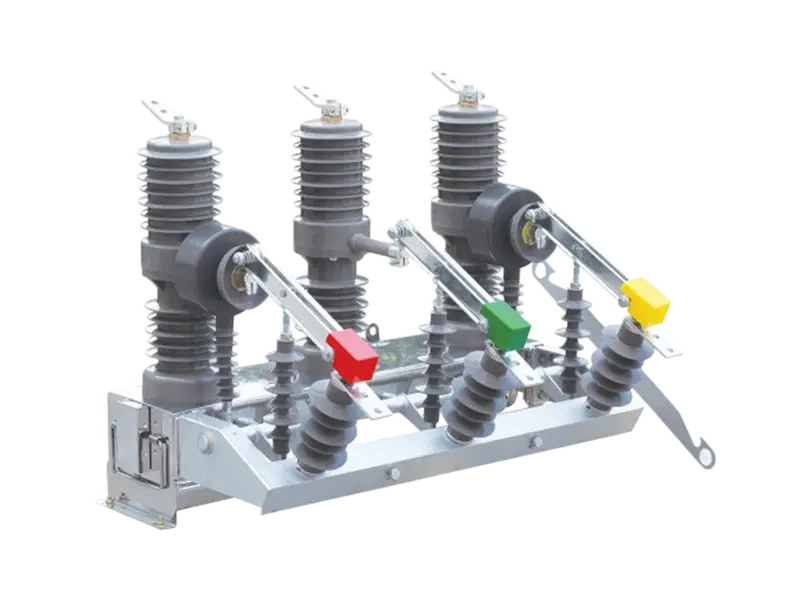
�� ZW32 Outdoor Vacuum Circuit Breaker
ZW32 is the most widely used model in global distribution networks, favored for its balanced performance, affordability, and ease of installation. It is the go-to choice for most standard medium-voltage power distribution projects, especially in rural and utility applications.
Positioning: Standard, balanced solution for general-purpose outdoor power distribution.
Key Advantages:
- Reliable performance: Built to withstand harsh outdoor conditions (temperature range: -40℃ to +70℃) and deliver consistent performance in most environments.
- Easy installation: Lightweight design (typically 80–120kg) and pole-mounted installation make it suitable for remote areas with limited lifting equipment.
- Cost-effective: Offers the best balance of performance and price, making it ideal for large-scale projects with moderate budgets.
Best For:
- Rural electrification projects: Perfect for powering remote villages and agricultural areas where reliability and low cost are priorities.
- Utility distribution networks: Widely used by power utilities for overhead line protection and grid sectionalizing in suburban and rural areas.
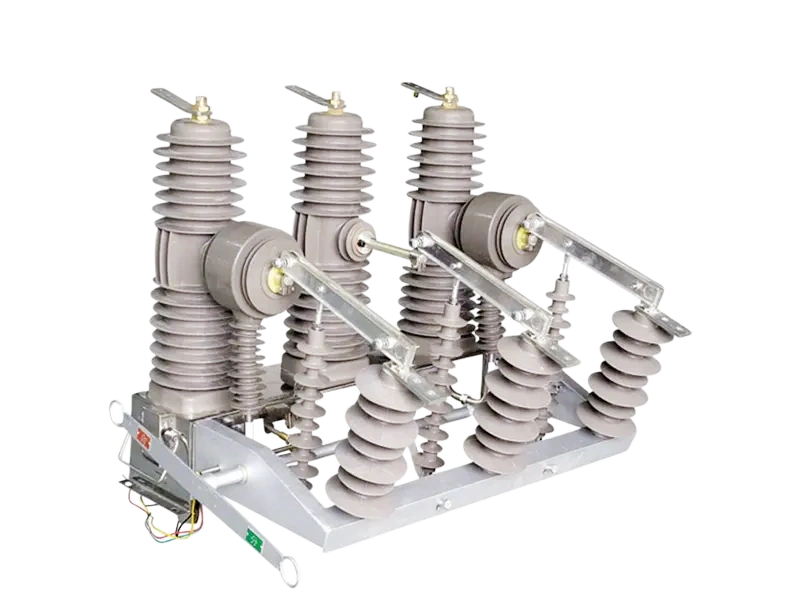
�� ZW7 Outdoor Vacuum Circuit Breaker
ZW7 is designed for higher reliability and more demanding industrial and urban applications. It is engineered to handle heavy loads, frequent switching, and harsh operating conditions—making it the premium choice for critical power systems.
Positioning: High-performance solution for industrial and urban power distribution.
Key Advantages:
- Strong mechanical performance: Equipped with a robust operating mechanism that can withstand 10,000+ switching operations, making it suitable for high-load systems.
- Higher durability: IP67 protection rating ensures resistance to dust, water, and extreme temperatures, making it ideal for industrial environments.
- Better for heavy-load systems: Capable of handling higher short-circuit currents (up to 31.5kA) than ZW32 and ZW8, ensuring reliable protection for industrial equipment.
Best For:
- Industrial feeder lines: Suitable for powering factories, manufacturing plants, and industrial complexes where uninterrupted power is critical.
- Urban distribution systems: Ideal for urban areas with high power demand, frequent switching, and strict reliability requirements.
�� ZW8 Outdoor Vacuum Circuit Breaker
ZW8 focuses on affordability and simplicity, making it the ideal choice for budget-conscious projects with low power demand. It is designed for basic outdoor power protection, offering essential functionality at a lower cost.
Positioning: Economic solution for low-load, budget-sensitive projects.
Key Advantages:
- Lower cost: 20–30% more affordable than ZW32, making it ideal for projects with tight budgets.
- Simple structure: Minimal components reduce the risk of failure and make maintenance even easier than ZW32.
- Easy maintenance: No complex parts, making it suitable for areas with limited technical expertise.
Best For:
- Budget projects: Perfect for small-scale rural electrification, community power supply, and temporary power projects.
- Rural areas with limited load: Suitable for villages and remote areas with low power demand (e.g., lighting, small appliances).
Detailed Comparison
| Feature | ZW32 | ZW7 | ZW8 |
| Position | Standard | High-end | Economic |
| Cost | Medium | Higher | Low |
| Reliability | High | Very High | Moderate |
| Installation | Pole-mounted | Pole/ground | Pole-mounted |
| Application | Utility | Industrial | Rural |
Key Differences Explained
1. Performance Level
- ZW7 offers the highest mechanical strength and durability, with a rated short-circuit breaking current of 25–31.5kA, making it suitable for heavy industrial loads and frequent switching.
- ZW32 provides balanced performance, with a rated short-circuit breaking current of 16–25kA, meeting the needs of most utility and rural applications.
- ZW8 is designed for basic applications, with a rated short-circuit breaking current of 12.5–16kA, suitable for low-load systems with minimal switching requirements.
2. Cost Consideration
- ZW8 → lowest cost: Ideal for projects where budget is the top priority and power demand is low. It offers basic protection at a fraction of the cost of ZW32 and ZW7.
- ZW32 → best cost-performance ratio: Balances performance and price, making it the most popular choice for large-scale projects that require reliability without excessive cost.
- ZW7 → higher investment for higher reliability: The premium price is justified by its superior durability, higher short-circuit capacity, and suitability for critical industrial applications where downtime is costly.
3. Application Scenarios
Rural Electrification
�� Best choice: ZW32 or ZW8. For most rural projects, ZW32 is preferred for its reliability, while ZW8 is suitable for small, budget-sensitive villages with low power demand.
Industrial Systems
�� Best choice: ZW7. Industrial facilities (e.g., factories, mines, refineries) require high reliability and heavy-load capacity, which ZW7 delivers.
Utility Distribution
�� Best choice: ZW32. Power utilities rely on ZW32 for its balanced performance, ease of installation, and cost-effectiveness in suburban and rural grid networks.
4. Installation Flexibility
- ZW32 → most flexible: Lightweight and pole-mounted, it can be installed in remote areas with limited equipment, making it ideal for global rural electrification projects.
- ZW7 → more complex systems: Can be pole-mounted or ground-mounted, suitable for industrial sites where space is available and technical support is accessible.
- ZW8 → simple installations: Designed for quick, easy installation, requiring minimal technical expertise—perfect for remote areas with limited maintenance resources.
How to Choose the Right Model
Choose ZW32 if:
- You need a standard solution that balances performance and cost.
- Your project involves rural or utility grids with moderate power demand.
- You want a reliable, low-maintenance breaker that can withstand harsh outdoor conditions.
Choose ZW7 if:
- Your system has heavy loads or frequent switching requirements (e.g., industrial facilities).
- Reliability is critical, and downtime would result in significant losses.
- You operate in industrial environments with harsh conditions (e.g., high dust, extreme temperatures).
Choose ZW8 if:
- Budget is limited, and you need a basic, cost-effective solution.
- Load demand is low (e.g., small villages, temporary power projects).
- The system is simple, and maintenance resources are limited.
Integration with Power Systems
ZW series breakers are compatible with most medium-voltage power distribution systems worldwide, making them a versatile choice for外贸 projects. They are typically used with:
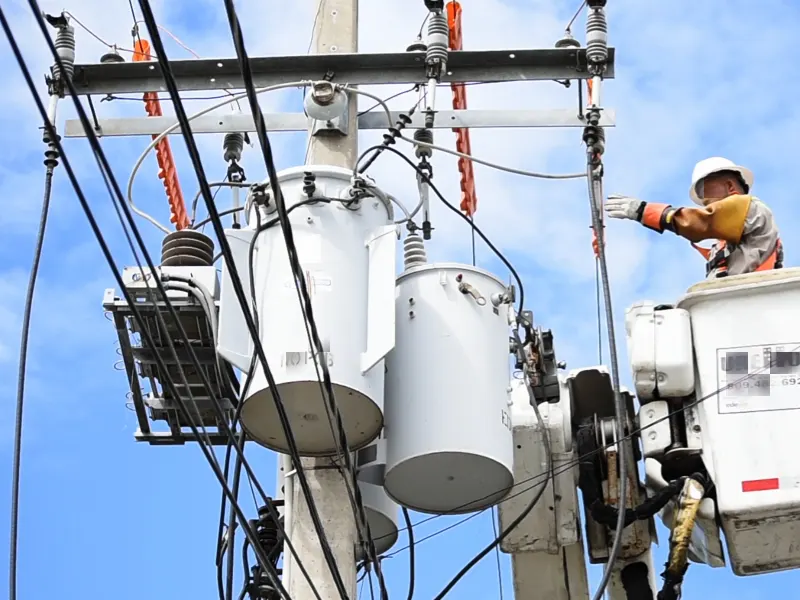
- Distribution transformers: Protecting transformers from short circuits and overloads.
- Switchgear systems: Integrating with indoor/outdoor switchgear for comprehensive power management.
- Overhead line networks: The primary application for ZW series breakers, ensuring reliable protection for overhead power lines.
Typical configuration:
| plain text Substation ↓ Feeder Line ↓ ZW Circuit Breaker ↓ Transformer ↓ End Users |
Advantages of ZW Series
- Vacuum arc extinction: Environmentally friendly (no oil or gas) and efficient, reducing the risk of fire and pollution.
- Long service life: 20+ years of reliable operation, reducing replacement costs and downtime.
- Low maintenance: Minimal upkeep required, saving time and resources for project managers.
- Suitable for outdoor environments: IP65+ protection rating, withstanding extreme temperatures, rain, dust, and humidity.
Common Mistakes to Avoid
- ❌ Choosing the cheapest model without considering performance: Using ZW8 in high-load systems can lead to premature failure and costly downtime.
- ❌ Using ZW8 in high-load systems: ZW8 is not designed for heavy industrial loads, and using it in such applications will compromise reliability.
- ❌ Over-specifying with ZW7 unnecessarily: If your project does not require heavy-load capacity, choosing ZW7 will increase costs without added value.
Conclusion
ZW32, ZW7, and ZW8 each serve distinct purposes in medium-voltage power distribution systems, and the right choice depends on your project’s specific needs, budget, and application scenario. For most外贸 buyers, ZW32 is the most versatile and cost-effective option, while ZW7 is ideal for critical industrial projects, and ZW8 is perfect for budget-conscious, low-load applications.
- ZW32 → most versatile and widely used, suitable for utility and rural projects.
- ZW7 → best for demanding industrial environments, offering superior reliability and performance.
- ZW8 → ideal for budget-conscious rural projects with low power demand.
By understanding the key differences between these models, you can select the right ZW series breaker for your project, ensuring long-term reliability, cost-effectiveness, and compliance with global power standards.
FAQ
Q1: Which ZW breaker is most popular?
ZW32 is the most widely used globally, thanks to its balanced performance, cost-effectiveness, and versatility.
Q2: Is ZW7 worth the higher cost?
Yes, for industrial and high-load systems where reliability is critical—downtime in these applications is far more costly than the premium for ZW7.
Q3: Can ZW8 be used in large systems?
It is better suited for small or budget projects with low power demand. Using ZW8 in large systems will lead to insufficient protection and frequent failures.
Q4: Are these breakers suitable for outdoor use?
Yes, all ZW series are designed for outdoor environments, with IP65+ protection against dust, water, and extreme temperatures.
CTA
Get ZW32 / ZW7 / ZW8 comparison sheet (with technical specs and pricing)
Request technical recommendation tailored to your project
OEM customization available worldwide (CE, ISO certified)